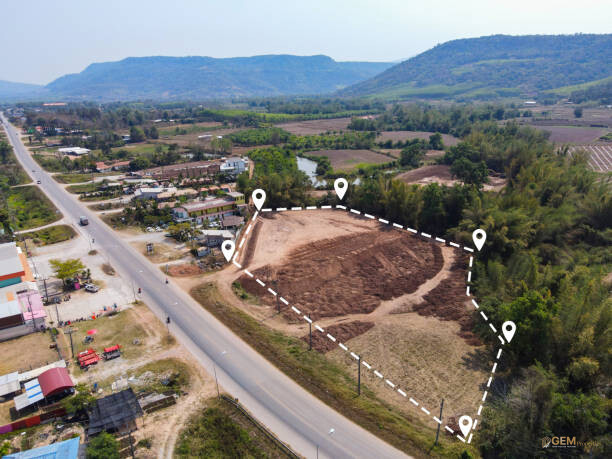
Buying a plot can be an important step for people who want to build their own home or consider land as a long-term property investment. However, choosing the right plot requires careful attention to location, size, development status, documentation, accessibility and available facilities.
Before purchasing a residential or commercial plot, buyers should research the property carefully and verify important information.
What Is a Property Plot?
A plot is a piece of land that can be used for purposes permitted by the relevant authorities and applicable regulations.
Plots may be available for different purposes, including:
- Residential plots
- Commercial plots
- Agricultural land
- Industrial plots
- Farmhouses or other permitted uses
The permitted use depends on the location, development authority and applicable regulations.
1. Choose the Right Location
Location is one of the most important factors when buying a plot.
Consider:
- Road access
- Nearby schools
- Hospitals
- Markets
- Public transportation
- Main roads
- Parks
- Commercial areas
- Development in the surrounding area
A plot with convenient access may be more practical for future construction and use.
2. Decide the Plot Size
Choose the size according to your intended use.
Common residential plot sizes in Pakistan may include:
- 3 Marla
- 5 Marla
- 7 Marla
- 10 Marla
- 1 Kanal
Plot sizes and local terminology can vary by development and location, so always verify the exact dimensions and area from official documents.
3. Check the Plot Dimensions
Don't only look at the total area.
Check the actual dimensions:
Front × Depth = Plot Area
A plot with a wider frontage may provide different construction possibilities compared with a plot of the same area but different dimensions.
For construction planning, buyers should confirm the exact measurements with relevant documents and, where necessary, a qualified surveyor.
4. Check the Development Status
Before purchasing a plot, find out whether the area is:
- Fully developed
- Partially developed
- Under development
- Undeveloped
Also check whether essential infrastructure is available or planned, including:
- Roads
- Electricity
- Water
- Sewerage
- Gas where applicable
- Street lighting
Development timelines can change, so buyers should verify current information with the relevant authority or developer.
5. Check Road Access
Road access can have a major impact on the usability of a plot.
Check:
- Road width
- Main road access
- Street condition
- Corner location
- Traffic
- Accessibility during different weather conditions
Also confirm the road information from the official site plan or relevant documentation.
6. Corner, Park-Facing and Main-Road Plots
Some buyers specifically look for:
Corner Plot
A corner plot is located at the intersection of two roads and may have access from more than one side.
Park-Facing Plot
A plot facing a park may offer a different surrounding environment.
Main-Road Plot
A plot located along a major road can have different accessibility and potential uses depending on zoning regulations.
These features may affect the asking price, but buyers should compare them with their actual requirements.
7. Verify Ownership and Documents
Documentation is one of the most important parts of buying land.
Depending on the location and property type, documents may include:
- Ownership documents
- Allotment letter
- Transfer letter
- Sale deed
- Registry
- Site plan
- Tax records
- Development authority approvals
- Relevant NOCs where applicable
Document requirements vary, so buyers should have the documents checked by an appropriate legal or property professional before completing a transaction.
8. Check for Outstanding Dues
Before buying a plot, ask whether there are any outstanding payments.
These could include:
- Development charges
- Maintenance charges
- Utility charges
- Taxes
- Transfer fees
- Other society or authority dues
Get confirmation of outstanding amounts in writing where appropriate.
9. Understand the Building Rules
If your purpose is to construct a house, check the applicable construction rules before purchasing.
These may cover:
- Building height
- Setbacks
- Covered area
- Number of floors
- Parking
- Boundary walls
- Building design
Rules can differ between housing societies and local authorities.
10. Visit the Plot Yourself
Never rely only on online photographs or a location pin.
Visit the actual plot and check:
- Exact location
- Road access
- Surrounding properties
- Plot boundaries
- Development condition
- Nearby construction
- Utility infrastructure
- Street environment
If possible, compare the physical location with the official site plan.
11. Compare Different Plots
Before making a decision, compare several options.
| Feature | Plot A | Plot B | Plot C |
|---|---|---|---|
| Location | |||
| Price | |||
| Area | |||
| Dimensions | |||
| Road Width | |||
| Corner | |||
| Park Facing | |||
| Development | |||
| Utilities | |||
| Documentation |
This can help you identify the differences between available plots.
12. Consider Your Purpose
Your purpose should influence the type of plot you choose.
Building a Home
Focus on:
- Residential zoning
- Plot dimensions
- Road access
- Utilities
- Nearby facilities
- Construction rules
Investment
Research:
- Location
- Current demand
- Development activity
- Accessibility
- Market prices
- Holding costs
There is no guaranteed increase in property value, so investment decisions should be based on research and personal financial circumstances.
13. Consider Your Total Budget
The purchase price is not necessarily the total cost.
Depending on the transaction, additional costs may include:
- Taxes
- Registration
- Transfer charges
- Documentation
- Legal fees
- Development charges
- Construction planning expenses
Calculate these costs before finalizing your budget.
14. Avoid Rushing the Decision
Property purchases can involve significant amounts of money.
Take time to:
- Compare locations.
- Visit the plot.
- Check documents.
- Confirm ownership.
- Verify dues.
- Understand applicable rules.
- Compare prices.
- Seek professional advice when required.
How GEMlisting Can Help
GEMlisting provides a platform for discovering real-estate listings and exploring different property options.
Users can browse available listings and compare properties according to their requirements.
Final Thoughts
Buying a plot in Pakistan requires careful research. Location, size, dimensions, road access, development status, utilities, documentation and applicable building rules can all affect the suitability of a plot.
Whether you plan to build your dream home or are considering land for investment, verify the property information and documents before making a final decision.
SEO Title
Buying a Plot in Pakistan – Complete Guide for Property Buyers
Meta Description
Learn how to buy a plot in Pakistan. Discover important factors including location, size, dimensions, development, road access, documents, utilities and building rules.
Focus Keyword
Buying a Plot in Pakistan
Secondary Keywords
- Plot for sale in Pakistan
- Residential plots Pakistan
- Buy plot in Pakistan
- Property plots for sale
- Land for sale Pakistan
- Residential property Pakistan
- Plot investment Pakistan
- Real estate Pakistan
- GEMlisting